- Blizzard launches Diablo IV: Lord of Hatred on April 27 at 4:00 p.m. PDT, with pre-download already live across Xbox, PlayStation, PC, and Battle.net.
- Patch 3.0.0 is not expansion-only: core changes including loot, UI, skill, balance, and endgame updates also reach players staying on the base game.
- The expansion adds the Skovos region, a new campaign arc centered on Mephisto, the Warlock class, Paladin preorder early access, the Horadric Cube, talismans, and the Echoing Hatred mode.
- Operationally, Blizzard is using a paid-content beat to reset broader engagement systems, reducing the gap between expansion buyers and the wider population.
- Key risks center on balance volatility, server load around a mandatory global patch, and whether the new class and endgame loops hold attention beyond launch week.
Blizzard’s April 27 launch of Diablo IV: Lord of Hatred is more than an expansion release. It is a coordinated live-service refresh that ties paid campaign content to a mandatory systems overhaul for the entire player base, widening the commercial impact beyond the expansion SKU itself.
That packaging matters. Industry reporting from GamesRadar and PCGamesN indicates the launch is simultaneous worldwide, landing at 4:00 p.m. PDT on April 27, while Patch 3.0.0 has already been made available for pre-download across console and PC storefronts. Blizzard is effectively turning one premium content moment into a platform-wide reset for progression, itemization, readability, and endgame structure.
A paid expansion with unusually broad spillover into the base game
The central commercial signal is that Blizzard is not isolating the headline features behind the expansion wall and leaving the rest of the audience with maintenance-level updates. Lord of Hatred adds the new Skovos region, a campaign continuation built around Mephisto, the Warlock class, Paladin preorder early access, the returning Horadric Cube, the talisman system, fishing, and the Echoing Hatred survival mode. But Patch 3.0.0 simultaneously delivers a level-cap increase to 70, skill tree overhauls, loot filters, pathfinding and map overlay improvements, inventory and stash changes, and wider balance work for all players.
That approach preserves a larger addressable active population at patch day. Even users who do not convert into expansion buyers still receive enough systemic change to log in, test builds, and re-engage with seasonal content. In live-service terms, that lowers the risk of a split ecosystem where expansion owners move ahead while the rest of the base quietly churns out.
Class design and itemization are doing most of the retention work
The Warlock is the clearest example of Blizzard leaning into spectacle and system depth at the same time. Coverage of developer materials describes a demon-commanding class built around three summonable demon types, plus a kit that can sacrifice those summons for buffs or bind them for power amplification. The two-tree structure, spanning Eldritch and Chaos-style abilities, suggests Blizzard is aiming for a class fantasy distinct from Diablo’s earlier caster archetypes rather than a light remix.
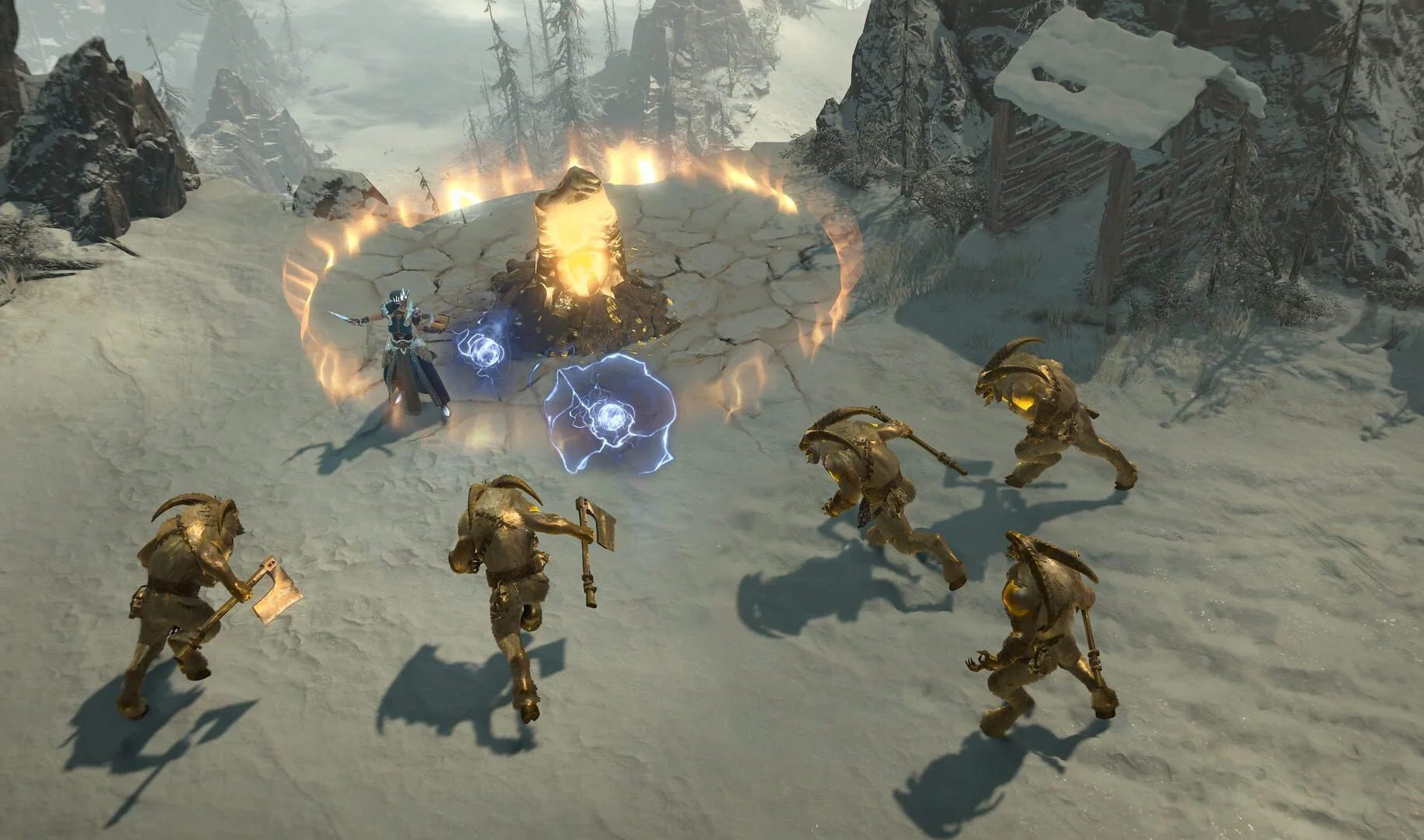
The Paladin, meanwhile, is being used as an access incentive through preorder early access. That introduces a familiar commercial lever: class desirability can support early conversions even when the audience already knows a mandatory patch is coming either way. The risk, however, is perception. If Paladin meaningfully outperforms at launch, the early-access structure could become a balance and fairness issue rather than a monetization win.
Itemization changes look just as important as the new classes. The talisman system, using Seals and Charms crafted through the returning Horadric Cube, points to Blizzard continuing to layer modular power systems onto Diablo IV’s endgame. Combined with reported reworks to more than 200 Legendary Aspects, tempering changes for uniques and mythics, and a loot filter, the design direction is clear: more build expression, faster information parsing, and less friction in sorting drops.
Patch 3.0.0 reveals Blizzard’s current operating priorities
The patch notes also expose what Blizzard believes has been suppressing long-term engagement. Several of the changes focus not on raw content volume but on usability and combat readability: clearer monster affixes, better pathfinding, map overlay support, larger stack sizes, improved vendor requirement handling, and refinements to stash management. PlayCentral’s reporting on follow-on patch details also points to continued attention on bug fixing, accessibility, and reward quality in endgame activities such as the renamed Artificer’s Tower.
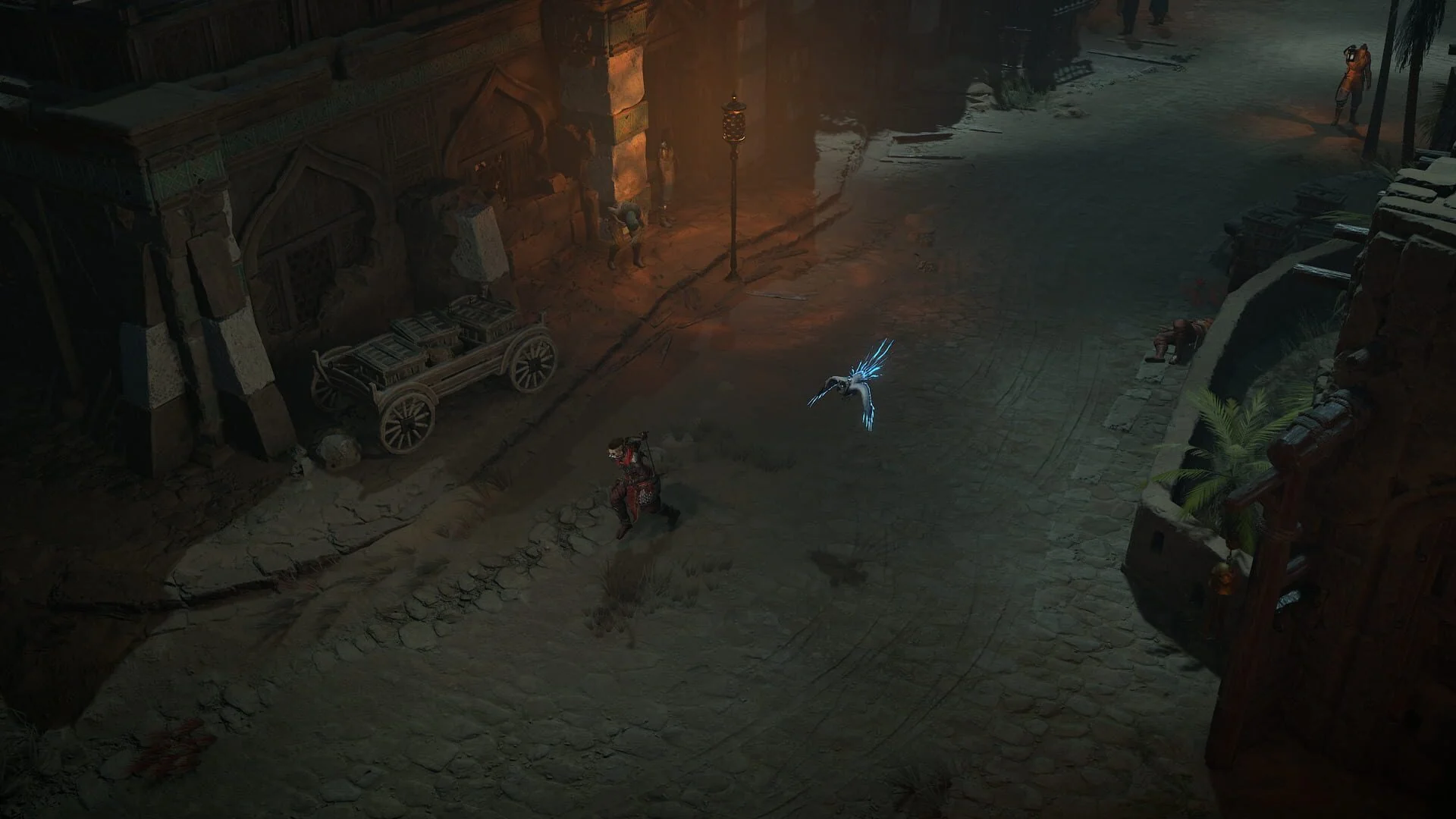
This is an operational tell. Blizzard appears to be treating retention drag as a systems problem as much as a content problem. That is a more mature posture than relying solely on seasonal novelty. Live-service action RPGs often lose momentum when players feel overwhelmed by inventory friction, opaque stats, repetitive reward loops, or weak combat clarity. Patch 3.0.0 touches each of those pressure points.
Launch structure and content access reduce re-entry friction
Another notable choice is campaign accessibility. GamesRadar reports that Lord of Hatred purchasers can start the new campaign at launch without replaying the base game or prior expansion, using either new characters or eligible existing ones. That matters for lapsed users, platform switchers, and players returning for the new season cadence. It removes a common re-entry barrier that can otherwise suppress day-one participation in story-driven expansions.
The launch also arrives alongside the new seasonal framework, with reporting tying the update to Season 13 and the Season of Reckoning. Pairing a story expansion with a season and a universal patch increases concurrency potential, but it also raises execution risk. A mandatory large download, potentially very large on PC depending on asset choices, puts extra pressure on server stability and early patch performance.
Competitive context: less about content quantity, more about service cohesion
The broader market takeaway is not simply that Blizzard is adding more Diablo. It is that the company is trying to tighten service cohesion between paid expansion content and the shared live game. Rather than treating expansion buyers as a premium lane and everyone else as maintenance traffic, Blizzard is using the expansion date to refresh the entire operating surface of Diablo IV.
That creates a stronger short-term engagement proposition, but it also raises expectations. If the Warlock, Paladin, talismans, Echoing Hatred, and the reworked loot and progression systems do not meaningfully improve build diversity and endgame stickiness, the scale of the reset will make any weaknesses more visible, not less.
InsightsFinalBoss Signal: Lord of Hatred looks less like a conventional DLC beat and more like Blizzard acknowledging that Diablo IV’s next phase depends on service-wide systems repair as much as premium content sales. The important signal is not just what expansion buyers get on April 27, but how much of the game’s friction Blizzard is attempting to remove for everyone at the same time.
Leave a Reply