Key Signals
- Google removed Doki Doki Literature Club (DDLC) from Google Play in early April 2026, citing Terms of Service violations over its “depiction of sensitive themes.”
- The Android delisting comes roughly four months after DDLC’s December 2025 mobile launch, while the game remains available on iOS, PC and consoles.
- Developer Team Salvato and publisher Serenity Forge are pursuing reinstatement and evaluating alternate Android distribution, highlighting reliance risk on single-store access.
- The takedown targets a title long praised for nuanced mental health and self-harm depiction, raising fresh questions over how platforms interpret “sensitive themes.”
- Signals to watch: Google’s policy clarifications, whether edits are demanded, and whether similar narrative titles face stricter review or post-launch re-assessment.
What Changed: A Cult Visual Novel Pulled After a Quiet Android Launch
Google has delisted psychological horror visual novel Doki Doki Literature Club from the Google Play Store, stating that the game’s content violates Play Store Terms of Service through its “depiction of sensitive themes.” The move affects the Android version launched in December 2025 and comes roughly four to five months after release, despite no public indication that the game’s content changed during that period.
Developer Team Salvato and publisher Serenity Forge confirmed the takedown in a joint public statement, describing it as a unilateral decision by Google tied to sensitive content. As of mid-April 2026, DDLC remains available on Steam, iOS (via Apple’s App Store), Nintendo Switch, PlayStation, and Xbox. The title, first released on PC in 2017 as a free visual novel that pivots into psychological horror, has since become a widely cited cult hit with a large global player base.
On Android, Serenity Forge states that the team is working “to find a path forward for getting DDLC reinstated” while exploring other distribution methods for Android devices, such as sideloading or alternative app stores. Google has not publicly detailed which specific policy clause DDLC is deemed to have breached.
Content Moderation Meets Mental Health and Self-Harm Depictions
DDLC’s removal lands at the intersection of platform safety policies and growing sensitivity around portrayals of mental health, suicide, and self-harm. The game’s narrative explicitly foregrounds these themes as part of a deliberately dissonant shift from light-hearted dating-sim aesthetics to psychological horror. That tonal turn, and the way it engages with depression and suicidal ideation, has been a core part of critical and community acclaim for nearly nine years.
Team Salvato and Serenity Forge emphasise that the game has long been “widely celebrated for portraying mental health in a way that meaningfully connects” with players, helping some feel less isolated. The Android version, like the PC and console releases, prominently warns that the game is “not suitable for children or those who are easily disturbed,” both in store descriptions and in-game.
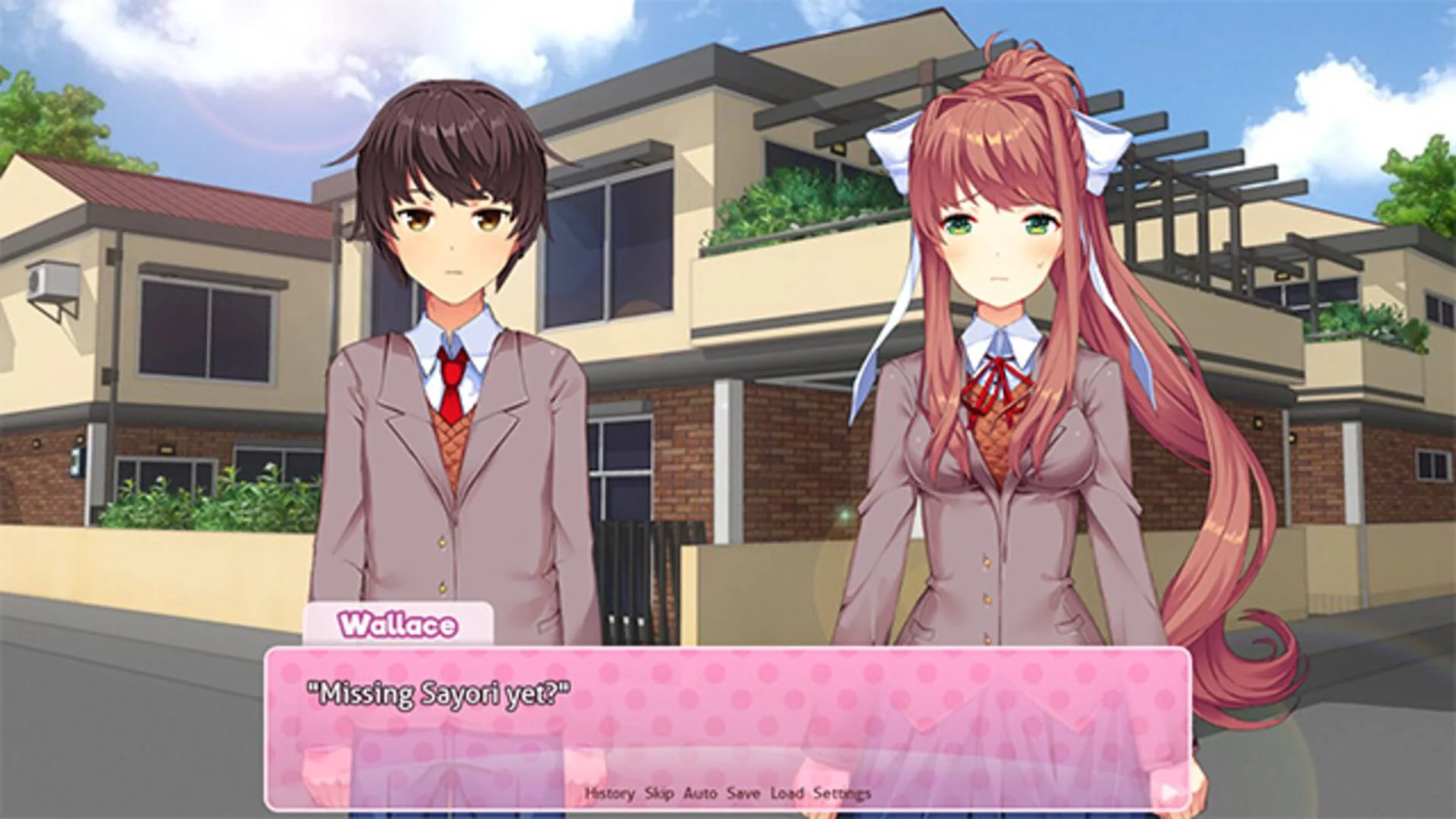
Google Play’s public policies on inappropriate content reference “sensitive events” such as death, conflict, and other socially impactful topics, stating that apps which address them without adequate “consideration” may be rejected or removed. Industry reporting indicates that DDLC’s suicide and self-harm depictions are likely at the core of Google’s concern, but the absence of detailed reasoning creates ambiguity for developers dealing with comparable subject matter.
The key tension is not simply whether such topics appear, but how platforms evaluate context, tone, and intent. DDLC’s case suggests that even heavily signposted, narratively integrated depictions of mental health crises can fall afoul of policy if interpretation shifts at the store level or if internal enforcement tightens.
Platform Divergence: Why Google Acts While Apple and Consoles Do Not
A major point of friction exposed here is the divergence between platform gatekeepers. DDLC remains live on Apple’s App Store, major console storefronts, and PC platforms, implying those ecosystems either interpret similar content as compliant or weigh context and age-gating differently.
For studios, this underlines that “multi-platform approval” is not a one-time safety net. A title can clear console certification and Apple’s review, then still be pulled from Google Play months after launch. Particularly for niche genres like visual novels and psychological horror, policy risk is no longer confined to launch hurdles but extends into ongoing compliance and retroactive enforcement.
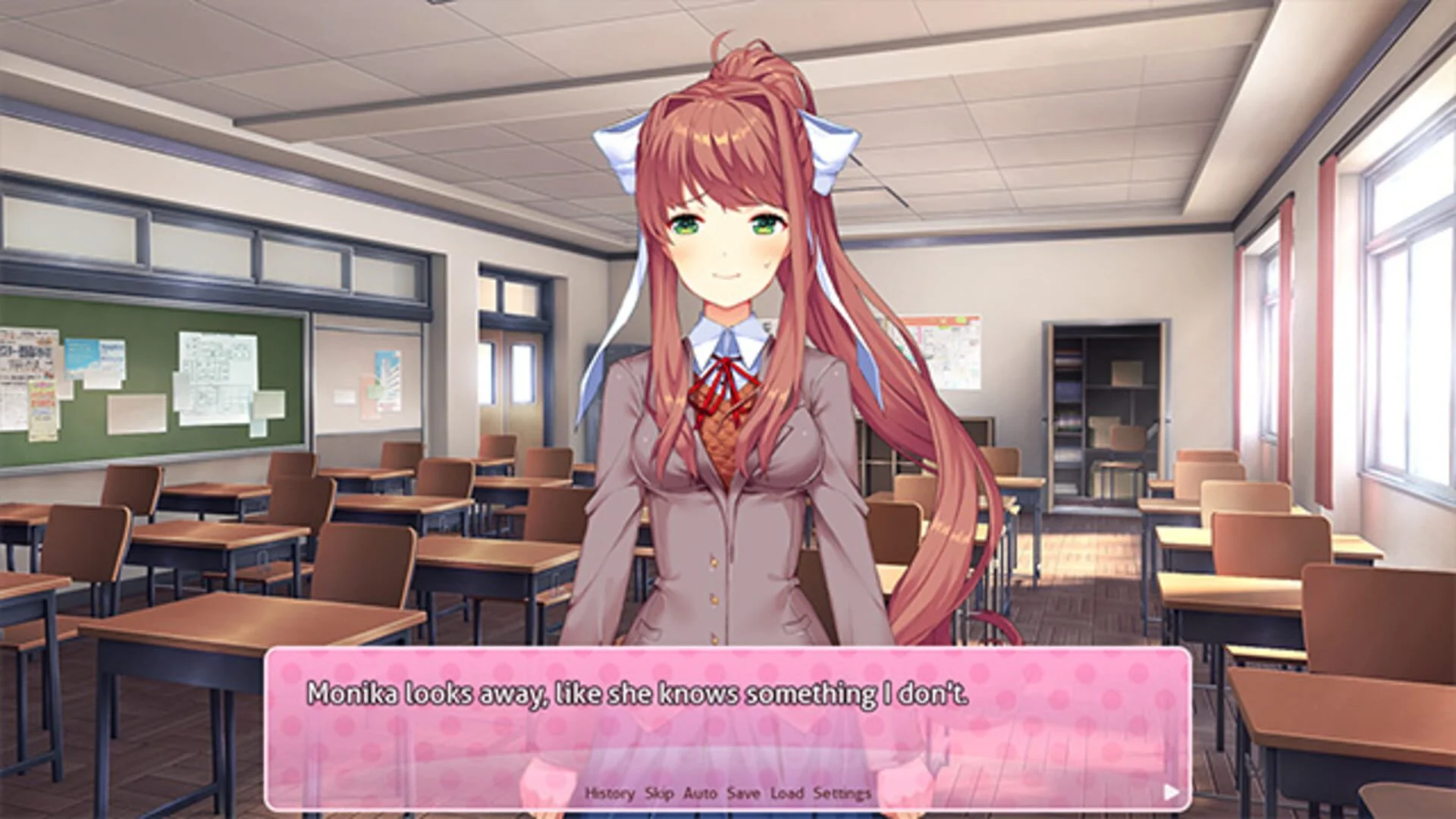
It also points to an asymmetry in how mobile ecosystems handle controversial narrative content compared with PC storefronts like Steam, where DDLC has sustained an “overwhelmingly positive” reception for years with content warnings but without similar delisting pressure.
Android Distribution Exposure for Indies and Narrative-Heavy Titles
From an operational standpoint, the removal spotlights how concentrated Android distribution remains around Google Play, even in a technically open ecosystem. An indie studio can in theory pivot to direct downloads, regional app stores, or stores from OEMs and publishers, but each alternative introduces friction: weaker discovery, fragmented update pipelines, and reduced trust relative to the default Play Store channel.
DDLC is unusual in that brand awareness and a long tail of cultural impact can help migrate some portion of Android demand off-Play if required. For newer or less visible narrative games dealing with trauma, self-harm, or other sensitive topics, a similar enforcement action could effectively remove them from mainstream Android reach, even if console and PC access remain unaffected.
The timing is also notable. The Android version was approved and live for several months before Google’s removal. That pattern hints at either a late-stage internal review escalation, external complaints triggering reconsideration, or broader tightening of policy application around sensitive mental health themes.
Regulatory and Public-Safety Backdrop
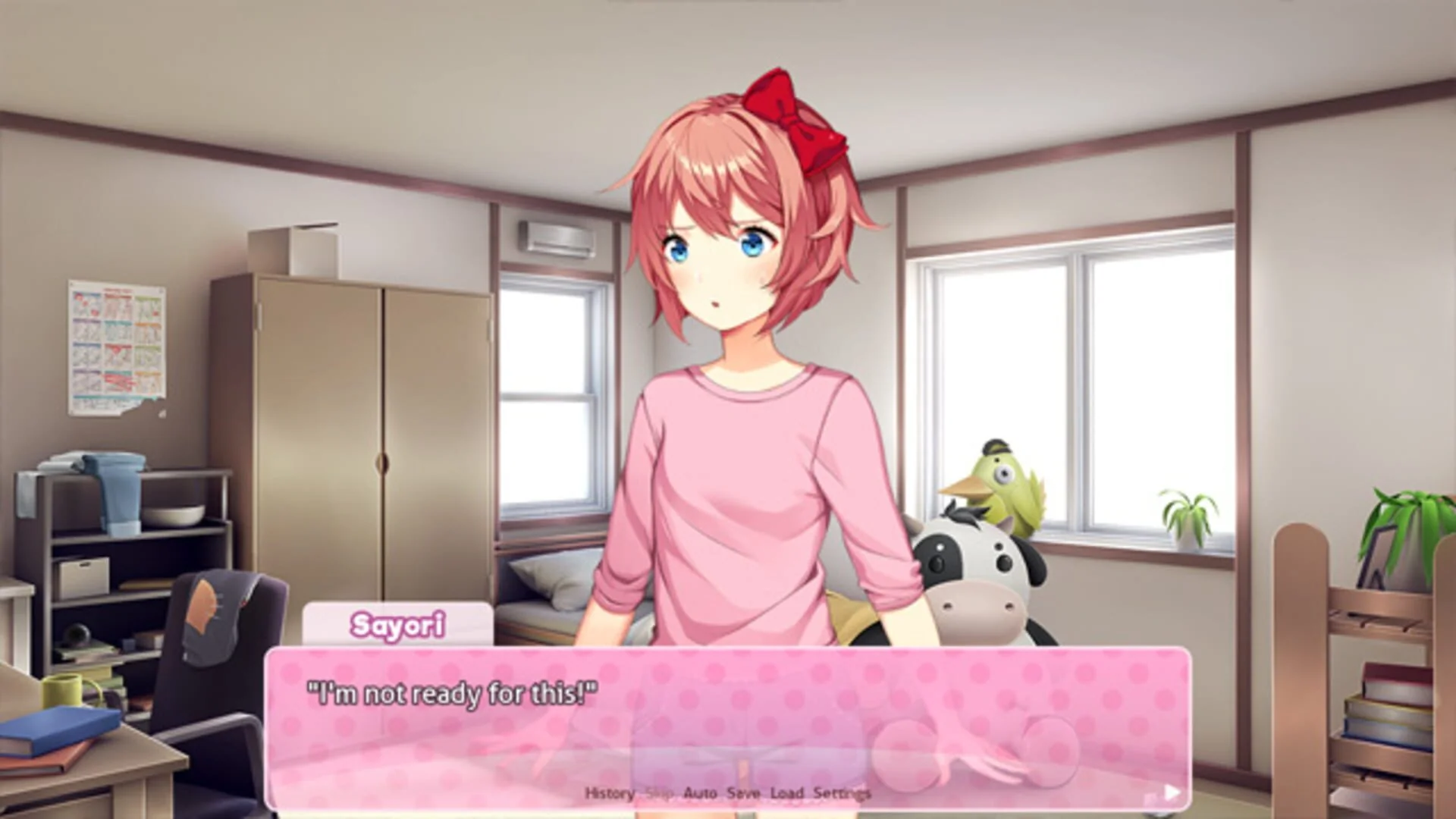
Beyond platform policy, DDLC has periodically surfaced in public-safety and regulatory discussions. Recent reporting highlights that authorities in Jordan explicitly named the game in a parental advisory post, citing concerns that its psychological horror elements and self-harm themes could have serious psychological impacts on children. While that advisory is not directly tied to Google’s action, it reflects a wider climate of scrutiny around such content in interactive media.
This environment increases the likelihood that platform holders interpret “sensitive themes” through a risk-averse lens, especially when titles can be downloaded by minors despite age ratings and warnings. For global releases, localized regulatory sensitivities can indirectly influence global platform decisions, even if enforcement formally rests on universal Terms of Service.
InsightsFinalBoss Signal
The DDLC delisting is less about a single cult visual novel and more about shifting boundaries for how platforms permit games to depict mental health, suicide, and self-harm. It underscores that explicit content warnings and years of critical validation do not guarantee long-term policy acceptance on mobile stores. For narrative-driven and horror-focused studios, Android now looks more volatile than consoles or PC: approval can be reversed months post-launch, with sparse explanation, and alternative distribution remains structurally weaker than Google Play. The next signals will be whether Google clarifies its standards, whether DDLC returns unchanged or edited, and whether other titles with comparable themes quietly disappear from the store.
Leave a Reply