Author: finalboss

  • The Super Mario Galaxy Movie Opening Breaks Box Office Records Despite Mixed Critical Response

    The Super Mario Galaxy Movie Opening Breaks Box Office Records Despite Mixed Critical Response

    Key Signals

    • The Super Mario Galaxy Movie opened to $34M in the U.S. on Wednesday, the best April Wednesday ever and strongest opening day of 2026 so far, underscoring the draw of Nintendo IP in cinemas.
    • Critic scores in the low-40s% on Rotten Tomatoes contrast sharply with audience approval around 91-92%, reinforcing that fan demand can outweigh mixed reviews for franchise-aligned adaptations.
    • Star Fox and Princess Daisy teases, plus deeper Peach-Rosalina lore, signal an accelerating Nintendo Cinematic Universe strategy with cross-franchise potential beyond core Mario.
    • The film’s fifth-strongest single-day Illumination opening indicates sustained box office power for the Mario brand alongside Minions and Despicable Me, strengthening Illumination’s position as Nintendo’s default animation partner.
    • Key risks include potential franchise fatigue, overreliance on Easter eggs over narrative cohesion, and whether mixed critical reception will affect long-run legs versus the 2023 Mario benchmark.

    Record-Breaking Opening Confirms Mario’s Theatrical Pull

    The Super Mario Galaxy Movie has launched as one of 2026’s first major box office events. U.S. ticket sales reached $34 million on its first Wednesday in theaters, setting a new April Wednesday opening-day record and surpassing The Super Mario Bros. Movie’s $31.7 million midweek debut in 2023. Industry box office tracking also places Galaxy as the strongest single opening day of any 2026 release so far.

    Crucially for exhibitors and partners, Galaxy achieved this performance without advance previews, unlike many tentpole releases that lean on Thursday or fan-event screenings to front-load results. The figure also ranks as the fifth-largest single-day opening for an Illumination title, behind Minions: The Rise of Gru, the original Minions, The Secret Life of Pets, and Despicable Me 2. That keeps Mario firmly in Illumination’s top tier of brands, alongside its long-running Minions and Despicable Me franchises.

    Forecasts cited in trade coverage project a robust global run, potentially tracking only slightly behind the 2023 Mario film’s week-one trajectory. The original Super Mario Bros. Movie ultimately passed $1.3 billion worldwide, becoming one of the highest-grossing game adaptations in history and setting expectations for Nintendo and Illumination’s follow-ups.

    Audience-Critic Divide: Franchise Gravity Over Reviews

    The Galaxy opening reaffirms that for some game-based franchises, box office is being driven more by brand affinity than by critical consensus. Rotten Tomatoes data shows a pronounced split: critics sit in the low-40s% approval band (recent tallies have oscillated between 41% and 43%), while audiences register around 91–92% positive.

    That gap is even wider than for the 2023 Mario film, which held roughly 59% critic approval and a 95% audience score. Reviews from major outlets highlight a consistent pattern: praise for visual creativity, fan service, and pace, coupled with criticism of an underdeveloped core story and contentious characterization of Rosalina. GamesRadar’s three-star review, for example, notes that the sequel “surpasses the original thanks to relentless energy and creativity,” but argues that its ambitions “fizzle out” due to an undercooked narrative and “bizarre treatment” of Rosalina.
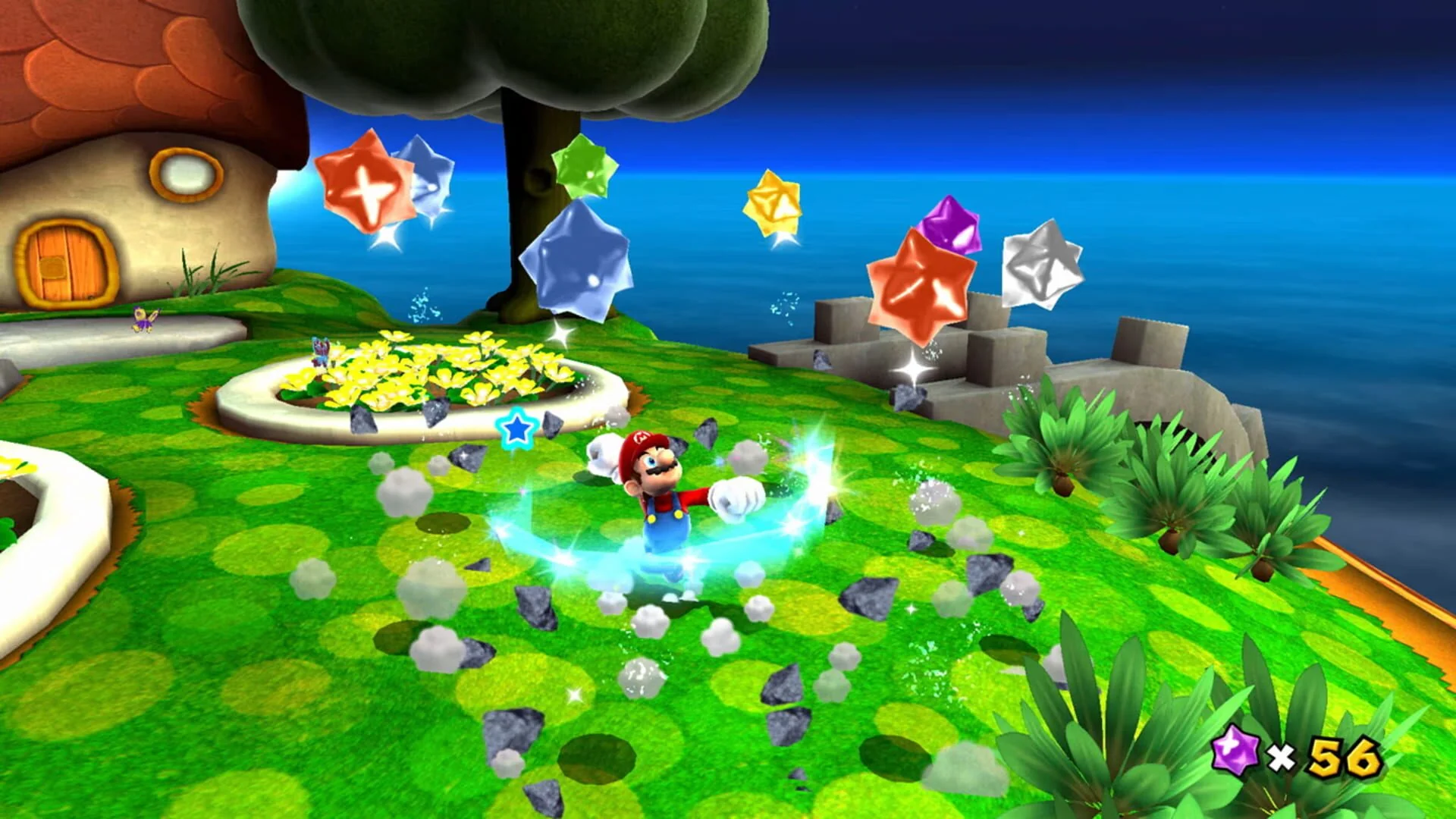
    Screenshot from Super Mario Galaxy
    Screenshot from Super Mario Galaxy

    IGN’s evaluation landed in similar territory with a 6/10 score, citing a lack of emotional depth relative to the first film but acknowledging the dense layering of references and Easter eggs as a compensating draw for engaged fans. The immediate commercial performance suggests that, at least in the opening frame, audience enthusiasm for Nintendo iconography and family-oriented animation is overpowering critical hesitation.

    Lore Expansion and Cross-IP Cameos Signal a Nintendo Cinematic Universe Push

    Beyond box office, Galaxy functions as a testbed for how aggressively Nintendo can extend its characters and lore through film. In a recent Forbes interview, Shigeru Miyamoto explained that during development of the original Super Mario Galaxy game, he and director Yoshiaki Koizumi had only a “vague idea” of the relationship between Princess Peach and Rosalina. The game left Rosalina’s origins and possible family ties deliberately ambiguous.

    Miyamoto said the film finally develops that concept “in detail,” describing the process as an opportunity to explore ideas that never reached consensus during the game’s production. That reflects Nintendo’s willingness to let cinema retroactively codify previously ambiguous lore, potentially feeding back into future game narratives and merchandising.

    The movie also leans into cross-franchise experimentation. Reporting from GamesRadar and regional outlets highlights a prominent Star Fox cameo: Fox McCloud appears among the film’s Easter eggs, with Miyamoto acknowledging that the idea originated from Illumination. He anticipated internal resistance to bringing a non-Mario hero into the film but found “strong support” across Nintendo once the concept was formally discussed.

    Screenshot from Super Mario Galaxy
    Screenshot from Super Mario Galaxy

    Additional post-credits scenes described by 3DJuegos deepen this direction. One shows Lumalee acting as a guard while Fox McCloud departs in his Arwing, teasing a more concrete integration of Star Fox into the emerging film continuity. Another introduces Princess Daisy in a hub world without dialogue, signaling that core Mario spin-off characters are being queued up for future appearances.

    Taken together, these choices position the so-called Nintendo Cinematic Universe (NCU) as more than marketing rhetoric. The films are starting to function like a cross-IP platform where Mario can intersect with other Nintendo heroes, laying structural groundwork for ensemble concepts long speculated among fans, including the possibility of a Super Smash Bros.-style crossover in the longer term.

    Franchise Roadmap, Risks, and Competitive Context

    Nintendo has already confirmed a live-action The Legend of Zelda film targeting 2027, suggesting an annual or near-annual cadence of major theatrical releases through the back half of the decade. Industry chatter and leaks point to a Donkey Kong spin-off and a third Mario film under discussion, with some talent publicly speculating about a 2029 window for another mainline Mario entry. While unconfirmed, the Galaxy opening makes ongoing expansion of the slate directionally more plausible.

    In the broader game-to-film landscape, Mario’s performance sits alongside franchises like Sonic the Hedgehog and Five Nights at Freddy’s as evidence that recognizable interactive brands can anchor multi-film strategies. Where Nintendo diverges is the depth of its first-party IP bench and its historically conservative approach to licensing, which appears to be loosening as internal teams grow comfortable with Illumination’s handling of tone and characterization-despite critical pushback on specific portrayals like Rosalina.
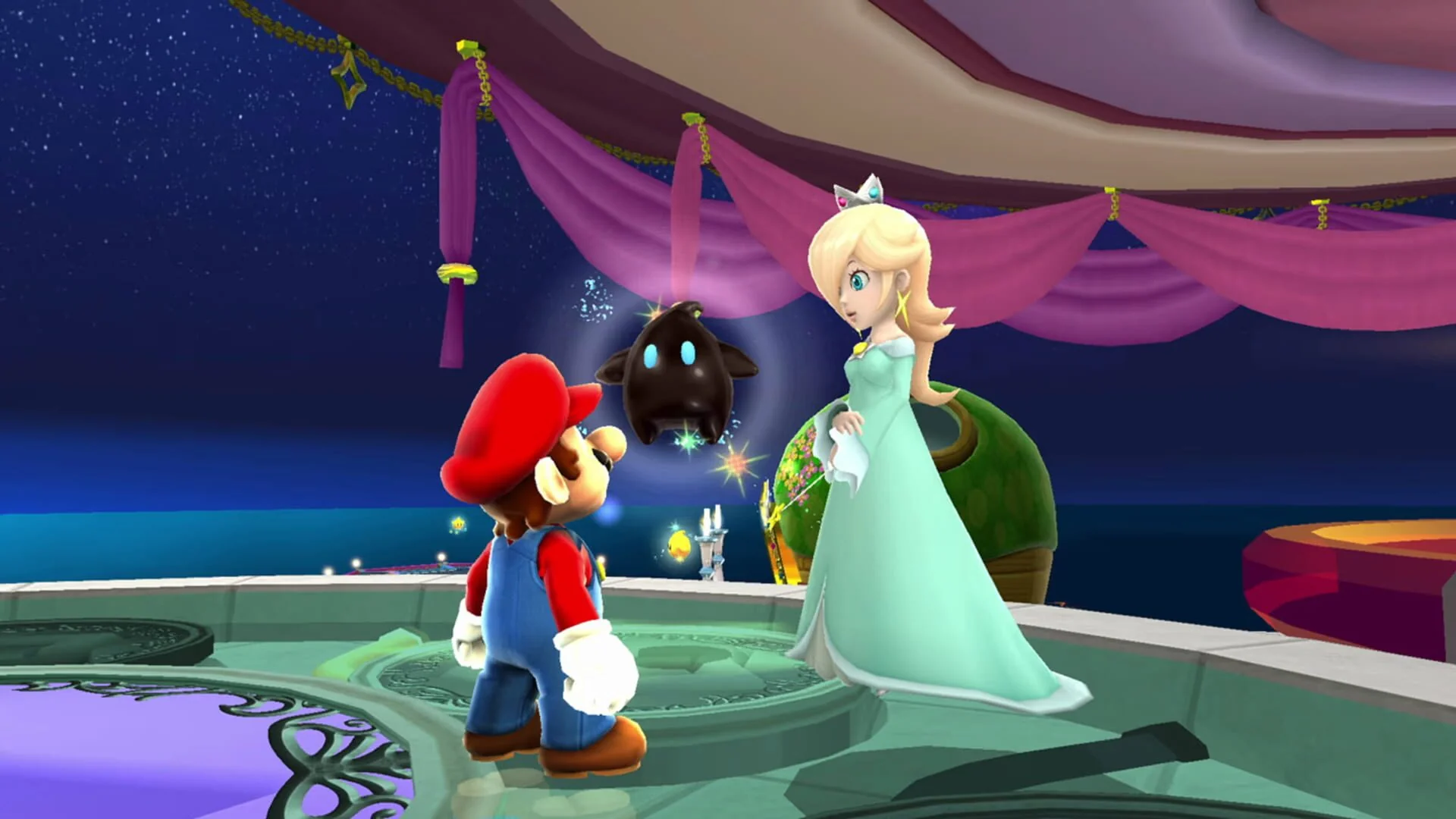
    Screenshot from Super Mario Galaxy
    Screenshot from Super Mario Galaxy

    The key execution risks are becoming clearer. One is franchise fatigue if future installments continue to prioritize Easter-egg density over emotionally coherent stories, potentially eroding broader audience appeal over time. Another is creative tension around how far crossovers can stretch character consistency and brand identity, particularly as non-Mario franchises such as Star Fox and Zelda enter the same cinematic orbit.

    Near-term signals to track include weekend-to-weekday hold for Galaxy versus the 2023 Mario comp, the scale of international rollout relative to domestic performance, and how strongly Nintendo and Illumination emphasize cross-IP cameos in marketing for subsequent projects.

    InsightsFinalBoss Signal: The Super Mario Galaxy Movie’s opening confirms that Nintendo and Illumination have built a film platform where critic scores are secondary to brand gravity and audience nostalgia. With Star Fox, Daisy, and clarified Peach–Rosalina lore now on screen, the NCU is shifting from hypothetical to operational-placing Nintendo among the few game IP holders actively constructing a long-horizon theatrical universe rather than isolated one-offs.

  • Eidos-Montréal’s latest round of layoffs reportedly follows the cancellation of an “almost

    Eidos-Montréal’s latest round of layoffs reportedly follows the cancellation of an “almost

    Wildlands Cut at “Almost Complete” Stage Triggers Layoffs and Studio Head Exit

    Eidos-Montréal’s unannounced open-world project codenamed Wildlands has reportedly been cancelled by parent company Embracer Group after years of AAAA-scale development and a budget that climbed beyond $100 million. The decision coincides directly with 124 layoffs on 31 March 2026 and the departure of long-time studio head David Anfossi, effectively resetting the studio’s original-IP ambitions in favor of lower-risk, licensed work.

    https://www.youtube-nocookie.com/embed/S2JEIudLtBI?autoplay=1
    • Wildlands, an unannounced open-world AAA/“AAAA” project in development since 2019, was reportedly “almost complete” and in bug-fixing when Embracer cancelled it due to runaway budget and weak recoup prospects.
    • Eidos-Montréal cut 124 roles on 31 March 2026, its third consecutive year of mass layoffs, and confirmed the exit of studio head David Anfossi after nearly 20 years at the company.
    • Insider reporting links the cuts directly to Wildlands’ cancellation, while Eidos publicly cites only “changing project needs,” underscoring a widening gap between corporate messaging and on-the-ground realities.
    • Years of engine changes (four engines tested), narrative reworks, and escalating costs reportedly pushed the project into the hundreds of millions and began to strain other Eidos initiatives.
    • The move reinforces Embracer’s shift toward licensed, lower-risk projects and signals rising cancellation risk even for late-stage, big-budget original IP in a market dominated by mega-franchises such as Grand Theft Auto.

    A Seven-Year Bet on Wildlands Ends at the Finish Line

    Multiple European outlets and industry reporting describe Wildlands as an ambitious third-person action-adventure set in a large open world, built for PC, PlayStation 5, and Xbox Series X|S. Players would control River, a teenager in a group of adolescents battling malevolent spirits with magical elements. Internally known as “P11,” it was reportedly one of Eidos-Montréal’s most expensive projects to date.

    Pre-production and production together spanned roughly seven years, with full production beginning in 2019. Reporting from Eurogamer’s Portuguese edition and others indicates the project cycled through four different engines before settling, causing technical resets and schedule drag. Narrative conflicts further complicated development, while the budget climbed past $100 million and was ultimately described by some sources as in the “hundreds of millions” range.

    Despite that turbulence, Wildlands had reportedly cleared several major internal milestones and reached a late polishing and bug-fixing phase, with an internal launch window targeted for 2026. Insider Gaming and regional press say Embracer concluded that the title would not recover its investment, particularly in a release window overshadowed by Grand Theft Auto 6, and opted to cut funding rather than ship.

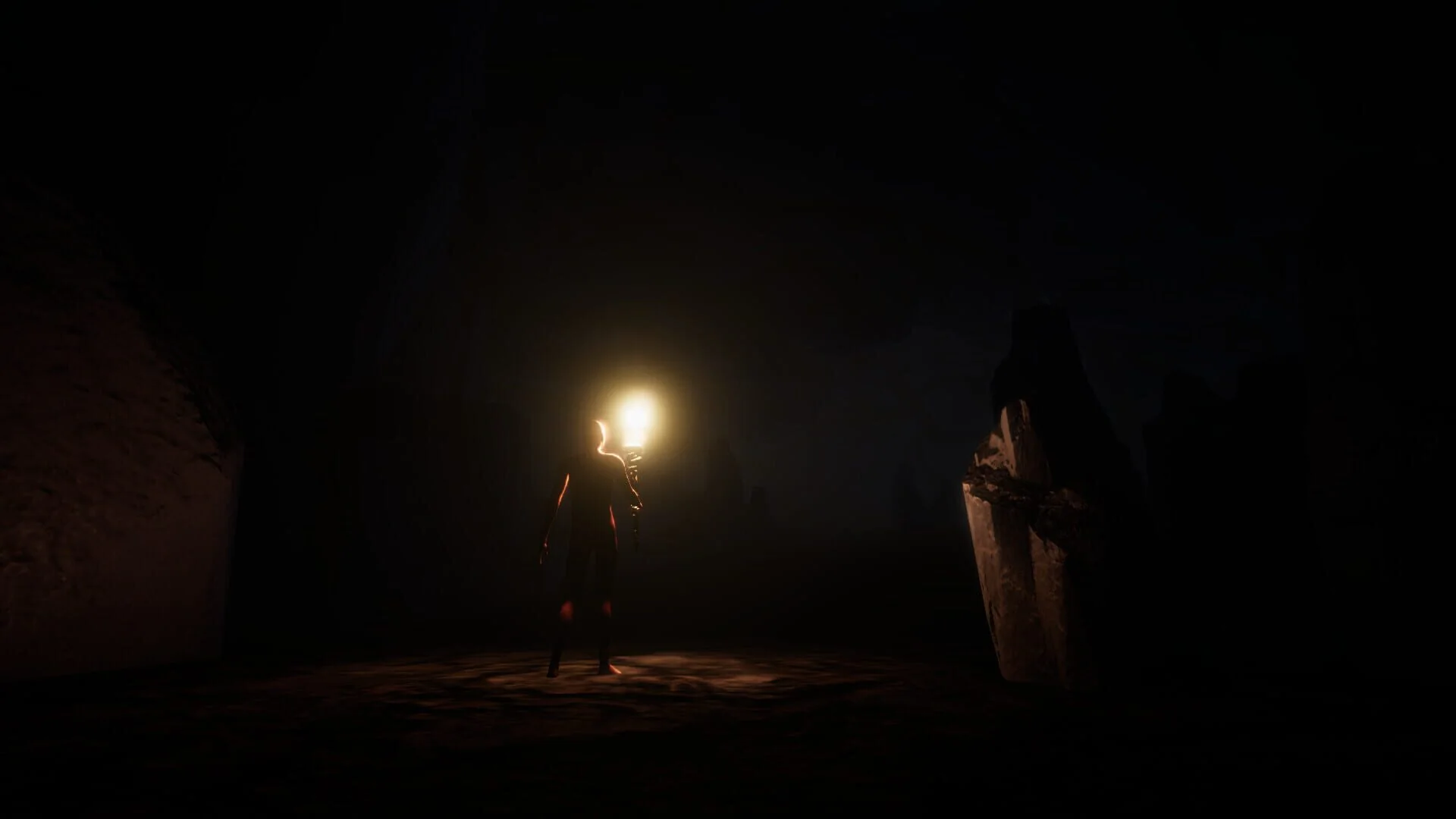
    Screenshot from Wildlands
    Screenshot from Wildlands

    Editorial metadata ties Wildlands to the Legacy of Kain franchise as an unannounced entry, but no public-facing materials or official statements have confirmed that linkage. Neither Embracer nor Eidos-Montréal has formally acknowledged Wildlands by name, leaving a notable gap between corporate communication and detailed insider reporting.

    Third Straight Year of Layoffs and the End of the Anfossi Era

    The 124 layoffs announced on 31 March 2026 mark Eidos-Montréal’s third consecutive year of sizeable cuts: 97 roles were eliminated in January 2024, followed by 75 in April 2025, for a total of roughly 296 staff reductions since 2024. In an official statement on LinkedIn, the studio attributed the latest wave to “changing project needs,” stressing that the decision did not reflect negatively on the affected employees’ performance or value.

    In parallel, studio head David Anfossi’s departure ends nearly two decades with Eidos-Montréal. Anfossi joined in 2007 and became a central figure in projects such as Deus Ex: Human Revolution, later taking over as studio head in 2013. The company has framed his exit as a mutual “parting of ways” with a transition plan underway, but has not disclosed reasons. Industry reporting and commentary consistently connect his departure to the fallout from Wildlands’ cancellation, although that linkage remains unofficial.

    Screenshot from Wildlands
    Screenshot from Wildlands

    This pattern echoes 2024, when an unannounced new Deus Ex project was reportedly cancelled under Embracer’s cost-reduction program ahead of a previous layoff round. Taken together, Eidos-Montréal’s recent history shows a studio repeatedly whipsawed by top-down portfolio decisions, rather than the failure of shipped products such as Marvel’s Guardians of the Galaxy or Shadow of the Tomb Raider.

    Embracer’s Risk Calculus: From Ambitious Originals to Licensed Stability

    Since acquiring Eidos-Montréal from Square Enix in 2022, Embracer has pursued an aggressive restructuring program across its portfolio, closing studios, cancelling projects, and prioritizing near-term cash flow. Reporting around Wildlands notes that its runaway budget began to affect other projects inside Eidos, effectively crowding out capacity for additional titles.

    Against that backdrop, Embracer’s cancellation of a late-stage, high-budget original project lines up with a strategic pivot toward licensed and lower-risk work. Insider accounts describe Eidos-Montréal increasingly being steered to externally owned IP, where marketing leverage and brand awareness are higher and forecasting is more predictable than for a new franchise or a radical reboot. This is consistent with a broader AA/AAA market shift, where licensed projects tied to film, TV, comics, or established game universes often secure funding more easily than novel concepts.

    Screenshot from Wildlands
    Screenshot from Wildlands

    Wildlands thus becomes a case study in the shrinking risk tolerance for non-franchise open worlds. Even an “almost complete” project on modern hardware, built by an experienced studio with a track record in narrative action games, did not clear the bar once its budget profile and competitive window-dominated by GTA 6-were re-evaluated. The cancellation also signals sharper internal scrutiny on toolchain decisions: four engine swaps over development now look catastrophic in hindsight for cost and schedule control.

    Operational and Market Signals to Track

    The immediate operational impact inside Eidos-Montréal is severe: a smaller team, the loss of institutional leadership, and the abrupt removal of a flagship project from the roadmap. For platform holders and publishing partners, several signals stand out:

    • Leadership succession and governance: The identity and mandate of Anfossi’s successor will clarify whether Eidos-Montréal is expected to operate as a premium work-for-hire entity on licensed IP or retain any autonomy for original concepts.
    • Official disclosure on Wildlands: Formal acknowledgement-or continued silence—on Wildlands’ fate will indicate how transparent Embracer intends to be about sunk-cost cancellations and pipeline resets.
    • Future of Legacy of Kain and Deus Ex: With two reported cancellations touching long-dormant franchises, upcoming announcements (or the lack of them) will signal whether these brands are effectively parked or being re-imagined under tighter budget constraints.
    • Embracer’s broader restructuring arc: Additional studio sales, closures, or IP licensing deals would reinforce the view that Embracer is repositioning from expansive content ownership toward a leaner, partnership-driven model.
    • Talent migration from Eidos-Montréal: Where laid-off staff and senior leaders land—whether in indie, AAA competitors, or other media sectors—will shape Montreal’s development ecosystem and competitive dynamics for high-end narrative talent.

    InsightsFinalBoss Signal

    The reported termination of Wildlands at the polishing stage crystallizes a harsh new reality: in the current cost-of-capital and hit-driven environment, even late-stage AAAA projects are no longer protected by sunk cost. Embracer’s decision, and the resulting shock to Eidos-Montréal’s workforce and leadership, underscores a structural pivot away from expensive, original open worlds toward licensed or heavily proven IP. For the broader market, this raises the bar for greenlighting large-scale, non-franchise projects and increases the premium on disciplined tooling choices and early financial validation, as projects that drift too far from controllable budgets face growing cancellation risk—no matter how close they are to the finish line.

  • Unity sees growth in engine revenue, shuts down IronSource ad network in favour of Vector AI

    Unity sees growth in engine revenue, shuts down IronSource ad network in favour of Vector AI

    • Unity will shut down the ironSource Ads Network direct demand business on April 30, 2026, while keeping the ironSource Exchange integrated into Vector.
    • Vector AI is now the core ad growth engine, delivering 15% sequential and 78% YoY growth, and accounting for ~56% of Grow Solutions revenue.
    • Unity plans to divest its Supersonic mobile publishing label, further exiting legacy ironSource assets acquired in the 2022 $4.4 billion merger.
    • Preliminary Q1 2026 revenue of $505-508 million and stronger Create Solutions engine revenue (~$155 million) signal a pivot back to core tech and AI ads.
    • Key risks include UA yield disruption for ironSource users, Supersonic valuation and deal timing, and competitive pressure from rival ad stacks.

    Unity Retires ironSource Ads Network to Clear Space for Vector

    Unity is effectively unwinding one of the highest-profile mobile ad deals of the past cycle. The company will shut down the ironSource Ads Network direct demand business on April 30, 2026, ending a key component of the $4.4 billion ironSource merger completed in 2022. The move comes after earlier divestitures of Sonic and Aura, leaving little of the original ironSource footprint inside Unity beyond mediation and exchange infrastructure.

    Unity will retain the ironSource Exchange and continue to run programmatic campaigns, but those flows will be routed through its AI-driven Vector platform. Operationally, this strips out managed, network-style direct demand while preserving programmatic pipes that can be optimized algorithmically within Vector. Management has signaled that ironSource Ads will contribute minimally beyond Q1 2026, underlining how far performance has fallen behind Vector-driven formats.

    This is both a simplification and an admission. The bet that an acquired legacy ad network could remain a primary growth driver has not held. Unity is instead consolidating on a single AI-optimized ad stack and reducing internal complexity created by overlapping ad products, mediation layers, and publisher-facing services.

    Vector AI and Create Solutions Now Drive the Financial Narrative

    The shutdown decision arrived alongside preliminary Q1 2026 results that show the new center of gravity for Unity’s business. Revenue is projected at $505-508 million, above prior guidance of $480-490 million, with adjusted EBITDA of $130–135 million, roughly 58% year-on-year growth. Management attributed the outperformance primarily to Vector and the core engine segment.

    Vector, Unity’s AI-powered advertising and user-acquisition platform, grew approximately 15% sequentially and 78% year-on-year in Q1. It now represents about 56% of Grow Solutions revenue and is driving mid-teen quarterly growth in that segment. This level of concentration means the health of Unity’s entire ad and UA franchise is increasingly tied to the trajectory of Vector rather than to the legacy ironSource network.

    Create Solutions, the engine and tools business, also strengthened. Q1 2026 Create revenue is expected to land around $155 million, up year-on-year and a material contributor to the beat. Combined with Vector, this suggests Unity’s near-term growth profile is anchored by its engine footprint and AI-optimized ad stack rather than by more traditional network demand businesses.

    Unity expects Grow Solutions to generate about $352 million in Q1 2026, excluding ironSource Ads and Supersonic from that quarter onward. That accounting shift cleans the baseline for future quarters and makes Vector’s performance more visible, but it also removes a set of legacy revenue streams, even if underperforming, that previously diversified the top line.

    Operational Impact for Mobile UA and Mediation

    For studios that built monetization and UA workflows around ironSource’s traditional network demand, the sunset introduces a multi-quarter transition. Unity has already warned of potential yield adjustments, particularly for LevelPlay mediation users whose waterfall configurations rely heavily on ironSource Ads demand.

    The company is steering traffic toward Vector-optimized programmatic campaigns, emphasizing that the ironSource Exchange remains in place and that programmatic demand will be available through Vector integration. That means the core supply-and-demand marketplace is not disappearing, but its control logic and optimization layer are changing. In practical terms, optimization is shifting from human-tuned waterfalls and direct campaigns toward automated, AI-driven bidding and placement decisions.

    Competitive pressure is intense. AppLovin’s MAX, Google’s AdMob, and ByteDance’s Pangle already lean heavily on machine-learning optimization. Unity’s gambit is that a tightly coupled stack-engine, analytics, and Vector AI-can deliver higher lifetime value per user and better ROAS for advertisers than a looser combination of engine plus third-party ad tech. Whether that advantage materializes depends on execution quality, privacy constraints, and the rate at which developers adopt Vector-integrated SDKs.

    Supersonic Sale Marks Exit from First-Party Publishing Experiment

    In parallel with the ironSource Ads wind-down, Unity has engaged a financial advisor to explore the sale of Supersonic, its mobile publishing arm. Supersonic, launched in 2020 and folded into Unity via ironSource, has published more than 130 titles and claims roughly 6.6 billion downloads, including hits such as Bridge Race and Going Balls.

    Divesting Supersonic would mark a clean exit from first-party, hypercasual-focused publishing. Strategically, this reduces conflicts of interest between Unity’s role as an engine and tool provider and its role as a publisher competing with customers for store featuring, UA inventory, and chart position. It also continues a pattern: Sonic, Aura, and now Supersonic are being carved away to leave a more streamlined software and ad-tech stack.

    Deal timing and structure remain unclear. A strategic buyer in the hypercasual or hybridcasual space, or an ad-tech operator seeking deeper supply and publishing expertise, would be plausible acquirers, but that remains speculative. The terms achieved for Supersonic will be an indirect signal of how the market currently values hypercasual portfolios and the traffic-generation capabilities attached to them.

    Implications for Engine Competition and Platform Strategy

    Unity’s renewed focus on Create Solutions and Vector must also be read through the lens of engine competition. After the 2024 runtime fee controversy damaged trust with parts of the developer base, Unity 6 and more predictable monetization terms have been positioned as a reset. Rising Create revenue in Q1 2026 suggests some recovery in commercial traction across PC, console, and mobile.

    By pairing engine telemetry with an AI-driven ad platform, Unity is attempting to differentiate from Unreal Engine, open-source engines like Godot, and proprietary in-house tech at large publishers. The pitch is a vertically integrated pipeline: build in Unity, gather behavioral and performance data, then feed that data into Vector for UA optimization and monetization tuning across mobile and, increasingly, cross-platform ecosystems.

    At the same time, the abrupt retirement of a major ad network acquired only a few years ago highlights execution risk. Developers and ad partners that invested in ironSource-specific tooling and flows now face a migration to Vector or to rival stacks, which could influence long-term platform loyalty.

    Risks, Transition Dynamics, and Signals to Watch

    Key operational risks cluster around three areas. First, short-term monetization volatility for apps still dependent on ironSource direct demand as that supply winds down ahead of the April 30, 2026 cutoff. Even with the ironSource Exchange intact, shifts in auction dynamics and fill sources can impact effective CPMs.

    Second, execution risk in fully transitioning ad customers to Vector. If Vector fails to deliver competitive ROAS or retention-friendly ad experiences versus MAX or AdMob, large advertisers and publishers may diversify away from Unity’s ad stack, limiting Grow Solutions momentum.

    Third, the Supersonic sale introduces uncertainty around revenue mix and strategic partnerships. A clean separation with strong ongoing collaboration agreements would reinforce Unity’s role as neutral infrastructure. A protracted sale or deterioration in Supersonic’s performance during the process could create revenue drag and signal weaker-than-expected demand for hypercasual portfolios.

    Signals to track over the next 12–18 months include Vector’s share of total Grow Solutions revenue, case studies or benchmarks highlighting UA efficiency gains, the eventual buyer and terms for Supersonic, and any changes to how Unity reports mediation, exchange, and AI-driven ad products in segment disclosures.

    InsightsFinalBoss Signal

    Unity’s ironSource rollback and Supersonic exit amount to a strategic reset: away from owning a traditional ad network and publisher, and toward being a high-margin engine and AI monetization platform. The company is effectively writing down the old ironSource playbook and betting that a tightly integrated engine-plus-Vector stack, rather than scale in legacy network demand, will define its competitive edge in the next phase of mobile and cross-platform games.

  • Slay the Spire 2: The Defect Ultimate Build Guide

    Slay the Spire 2: The Defect Ultimate Build Guide

    In early access and long-tail premium titles, large-scale character reworks often create as much structural risk as they create excitement. Slay the Spire 2’s Defect on PC, Nintendo Switch, PlayStation 5, and Xbox Series X offers a clear example: an iconic character returns with expanded Orbs, abundant temporary Focus, and Status synergies that reshape optimal deckbuilding. From a market-analysis perspective, this is less about “how to play Defect” and more about how such mechanical shifts affect meta stability, learning curves, and ultimately engagement and sentiment across platforms.

    Operationally, analysts assessing this kind of rework tend to track a common cluster of risks around design volatility, player comprehension, and ecosystem adaptation. The Defect’s evolution from a relatively well-understood orb caster into a multi-archetype, status-fueled engine exposes those risk vectors in a concrete, observable way.

    • Trade-offs / watch points: Depth vs complexity, permanent vs temporary scaling, archetype breadth vs clarity of identity.
    • Risks and failure modes: Meta fragmentation, patch churn, early-game frustration spikes, outdated community knowledge.
    • Indicators to watch: Class pick share, Act 2 death rates, guide/search interest around Defect builds, sentiment on temporary Focus and Status cards.

    1. Framing the Risk: Meta Volatility from Systemic Reworks

    The core risk category visible in Slay the Spire 2’s Defect is design and meta volatility: a previously stable character identity is expanded through new mechanics (Glass Orbs, temporary Focus spikes, Status engines) that multiply viable archetypes and tuning surfaces.

    In the first Slay the Spire, Defect already sat on the higher end of complexity. Its identity centered on Orbs (Lightning, Frost, Dark, Plasma) and Focus as a permanent scaling stat. The second game extends that identity in three ways that matter for risk analysis:

    • Orb taxonomy expansion: Five orb types (Lightning, Frost, Dark, Plasma, Glass) support hybrid builds rather than mostly mono-orb lines.
    • Temporary Focus abundance: Cards such as Hot Fix and Synchronize create large, single-turn Focus spikes instead of slow, permanent stacking.
    • Status as a resource: Status-creating and Status-consuming cards (e.g., Gunk Up, Trash to Treasure, Smoke Stack) transform classic “deck pollution” into engine fuel.

    Each of these axes changes how reliable community knowledge remains over time, how easily players internalize “correct” patterns, and how sensitive the meta becomes to balance patches. A risk framework therefore starts by comparing the new mechanical surface to the legacy baseline.

    2. Step One – Establish the Legacy Baseline

    Before evaluating risk introduced by the rework, practitioners typically reconstruct how Defect functioned in the original title and in early Slay the Spire 2 builds. Baseline questions tend to include:

    • Identity clarity: Was Defect primarily perceived as a Frost tank, Lightning chip engine, or Claw combo character?
    • Meta stability: How long did core archetypes (Frost walls, Dark nukes, permanent Focus loops) remain viable across balance patches?
    • Player outcomes: Did Defect show distinct patterns in win rate, boss kill consistency, or abandonment mid-run relative to Ironclad or Silent?
    • Ecosystem maturity: Were guide archetypes largely converged (e.g., Frost as the “safe” line, Claw as the “for fun” line), reducing uncertainty for new players?

    In practice, Slay the Spire 1 and its long-lived meta established Defect as a high-complexity but decipherable character: stable Frost or Focus-based archetypes allowed players to lock in mental models such as “stack Frost and Focus, become invulnerable”. Design volatility risk in the sequel increases in proportion to how far the new card pool and orb behavior diverge from those internalized expectations.

    3. Step Two – Map the New Mechanical Surface

    For Slay the Spire 2, the Defect card pool sketches out five recognizable archetype clusters, each centered on different resource loops:

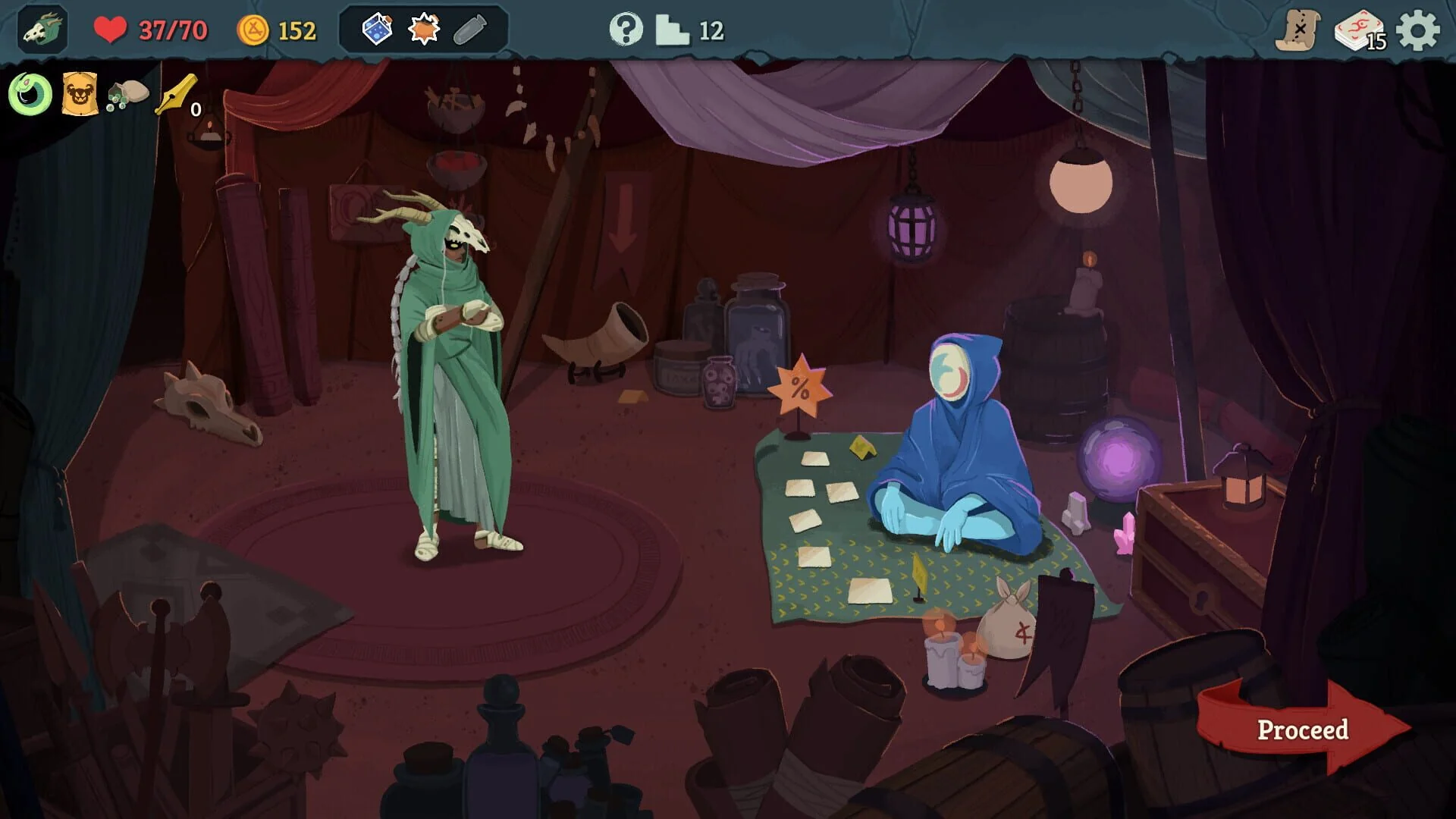
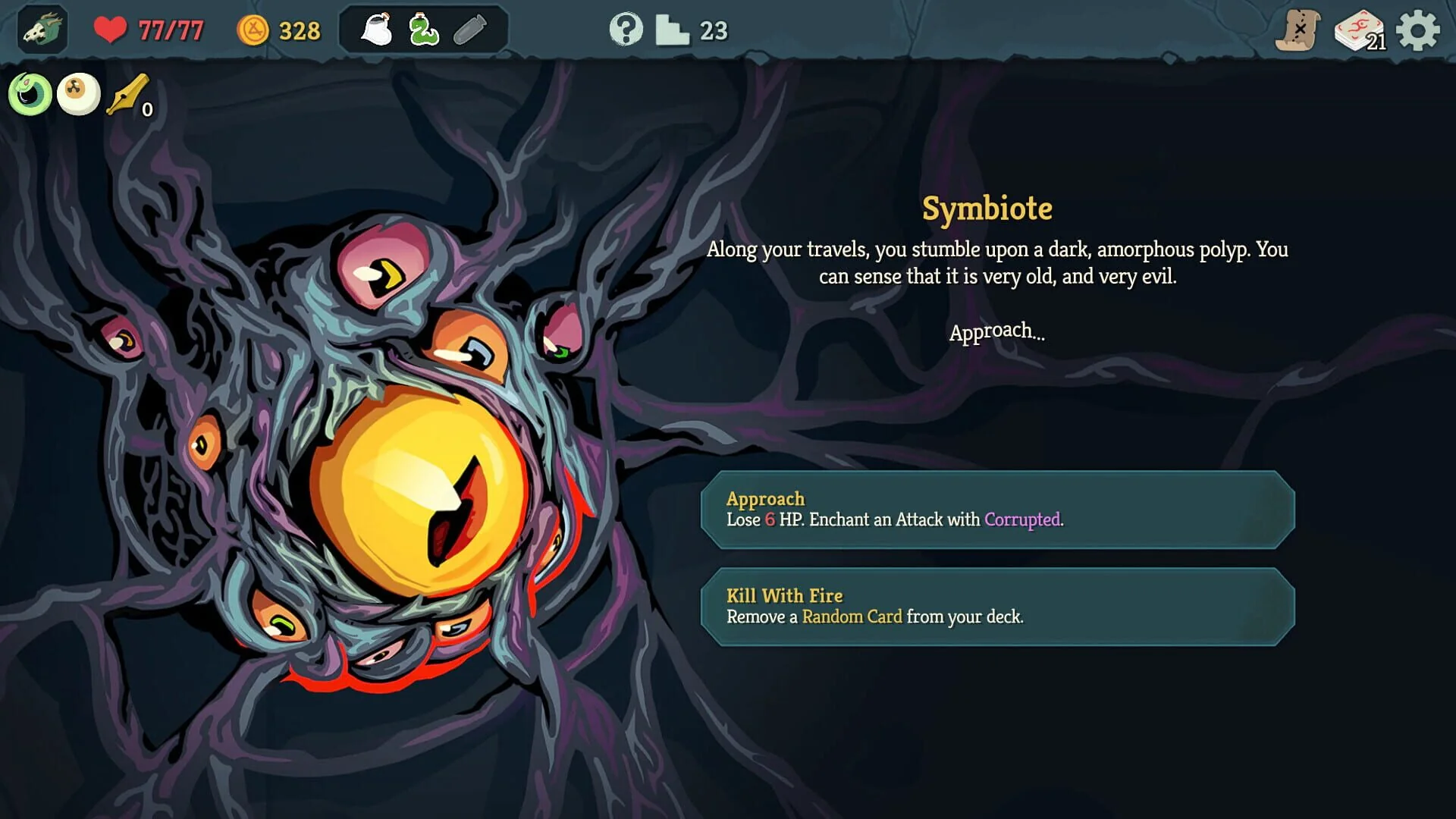
    Screenshot from Slay the Spire II
    Screenshot from Slay the Spire II
    • Frost tank: Heavy Frost generation (Glacier, Chill, Cold Snap) plus Orb slot expansion (Capacitor, Modded) and Focus scaling (Defragment, Biased Cognition) to create passive block engines.
    • Dark nuker: Minimal Dark Orbs (Darkness, Shadow Shield) that are allowed to scale while Frost defends, then evoked via Dualcast or Quad Cast for one-shot boss damage.
    • Glass AoE engine: Rapid Glass Orb channeling and evocation (Refract, Spinner, Shatter) amplified by temporary Focus spikes to clear multi-enemy encounters.
    • Claw spam: Zero-cost attack loops powered by All for One, Scrape, Feral, and extensive card draw.
    • Status engines: Decks that intentionally generate Slimes, Burns, and Voids via cards like Gunk Up, Turbo, and Overclock to fuel Trash to Treasure, Smoke Stack, Rocket Punch, or Compact.

    From a risk-assessment angle, the presence of multiple, equally expressive archetypes means:

    • Wider tuning surface: Many more knobs for balance changes (orb values, Focus duration, Status rates) raise the probability that patches significantly alter optimal lines.
    • Meta fragmentation: Different player segments gravitate toward different archetypes; community consensus on “the” Defect plan becomes harder to maintain.
    • Knowledge decay: Guides and tier lists tied to specific interactions (e.g., Synchronize + Hot Fix, Hologram + Turbo loops) risk obsolescence after relatively small numeric changes.

    Defect’s redesigned orbs and temporary Focus systems therefore introduce a structural bias toward meta fluidity. That fluidity can be positive (ongoing discovery) or negative (persistent confusion) depending on surrounding systems.

    4. Step Three – Analyze Learning Curves and Failure Modes

    Character-specific churn risk often concentrates where core mechanics conflict with player intuition. The Defect’s early, mid, and late game behavior provides several observable “discovery moments” and traps that shape that risk profile.

    Early game: High damage, hidden scaling concepts

    The starting relic (Cracked Core) and cards (Zap, Dualcast) give Defect extremely strong early damage. Zap into Dualcast and basic Lightning orbs make Act 1 feel forgiving. At this stage, many players still treat Focus as a passive statistic rather than an active resource to spike.

    The first risk signal appears in card-evaluation behavior: temporary Focus cards like Hot Fix or Synchronize carry the text “this turn”, which many players historically interpret as low-value. Observation from runs and community discussions shows a recurring pattern where these cards are skipped, even though a single high-Focus turn can end most early encounters outright. This gap between textual perception and true impact is a classic learning-curve hazard.

    Mid game: Act 2 difficulty spike and archetype commitment

    Act 2 in Slay the Spire 2 consistently emerges as the “danger zone” for Defect. Raw Lightning damage from the starting kit falls off, while enemies front-load high attacks. At this point, the deck often sits between archetypes: a mixture of early damage picks (Sunder, Ball Lightning, Gunk Up) and scattered Frost or utility cards.

    Screenshot from Slay the Spire II
    Screenshot from Slay the Spire II

    Common failure modes observed in Defect runs include:

    • Ignoring temporary Focus: Skipped Hot Fix / Synchronize lines causing players to rely on outscaled base damage.
    • Status aversion: Continuing to treat Slimes, Burns, and Voids solely as penalties, leading to underutilization of Trash to Treasure and Smoke Stack engines.
    • Underdeveloped defense: Over-indexing on damage due to strong Act 1, with insufficient Frost or other block scaling when Act 2 enemies spike.
    • Orb management errors in Dark/Frost builds: Over-channeling new Orbs and unintentionally evoking key Dark or heavily Looped Frost orbs before they reach critical value.

    On the analytics side, these patterns typically surface as elevated death or abandonment rates in early Act 2 specifically for Defect, diverging from other characters. Qualitative sentiment often describes the class as “suddenly fragile” or “inconsistent”, despite high theoretical power.

    Late game: Power and engine overload

    Once an engine coalesces-Frost tanking with Defragment and Capacitor, Dark nukes with Gold-Plated Cables, or Status-fueled AoE via Glass-Act 3 becomes substantially more stable. However, another risk pocket emerges around the Power spam pillar (Storm, Sub Routine, Creative AI, Echo Form).

    Power-heavy Defect decks can feel intoxicating but are slow to establish. Repeated observations show players overcommitting to expensive Powers on turn one, leaving insufficient energy to defend. The consequence is a mismatch between late-game theoretical strength and actual clear rates on higher ascension levels. This fuels perceptions that Defect is “feast or famine”, which in turn affects class pick share and long-term DAU distribution by character.

    5. Step Four – Meta Stability and Knowledge Ecosystem

    Meta volatility risk is tightly coupled with the health of the knowledge ecosystem around a title-wikis, guides, streams, and tier lists. The Defect’s Slay the Spire 2 rework stresses that ecosystem in several ways:

    • Guide specificity: Many high-level lines revolve around narrow interactions: Synchronize + Hot Fix Focus spikes, Hologram + Turbo resource loops, Feral + 0-cost attacks, or Compact leveraging Status in discard. Small balance changes to any element can flip tier lists.
    • Archetype proliferation: The coexistence of Frost tank, Dark nuker, Glass AoE, Claw spam, and Status engines encourages a proliferation of guides rather than consolidation around one or two “standard” builds.
    • Patch sensitivity: Early-access tuning changes are common. For a class with this many systemic hooks, each patch risks invalidating existing content, which can frustrate guide creators and confuse returning players.

    From a metrics standpoint, analysts often look at search interest and view counts for Defect-specific build content over time, correlated with patch notes. Spikes in queries such as “Defect temporary Focus”, “Status Defect build”, or “Act 2 Defect help” right after updates often signal renewed confusion or interest triggered by mechanical tweaks.

    6. Step Five – Platform and Lifecycle Considerations

    Platform realities amplify or dampen the design-volatility risk. Slay the Spire 2’s rollout across PC, Nintendo Switch, PlayStation 5, and Xbox Series X implies different patch cadences and certification constraints.

    Screenshot from Slay the Spire II
    Screenshot from Slay the Spire II
    • Early Access vs console launch: PC often receives rapid balance iteration, especially around complex characters like Defect. Console builds may lock in a particular patch level for longer due to certification, freezing a specific meta snapshot.
    • Tutorial and text lag: In-game hints, tooltips, and tutorials describing temporary Focus or Status synergies can lag behind design adjustments, particularly on platforms where updates are bundled.
    • Cross-platform knowledge drift: Community discussions and guides typically reference the latest PC patch. Console audiences playing older builds can encounter mismatches between described behavior and in-game numbers, creating additional friction.

    For analysts monitoring DAU, MAU, and retention across platforms, deviations in Defect usage or performance between PC and console cohorts can sometimes be traced back to such patch and knowledge desynchronization rather than purely to mechanical difficulty.

    7. Observed Risk Management Patterns Around Complex Reworks

    Studios facing the kind of design volatility represented by Slay the Spire 2’s Defect usually adopt a set of recurring approaches to keep risk at manageable levels. Without prescribing specific actions, several patterns recur in the market:

    • Maintaining at least one “anchoring” archetype: Frost tank builds often serve as a reliable, defensive baseline across patches, giving risk-averse players a predictable path even as Status or Glass lines shift.
    • Highlighting keystone mechanics explicitly: Temporary Focus spikes and Status-fueled cards tend to receive clearer visual or textual reinforcement over time, reducing the gap between perceived and actual power.
    • Conservative tuning of narrow combo pieces: Engines like Hologram + Turbo or Echo Form + Signal Boost are high-impact but can be tuned numerically rather than removed, preserving player-discovered lines while keeping them within balance bands.
    • Patch communication that names archetypes: Notes that explicitly reference “Status Defect builds” or “Glass orb AoE” help the community recalibrate quickly, stabilizing the guide ecosystem after adjustments.

    Observed outcomes suggest that clarity around which archetypes are intended to be evergreen versus experimental mitigates the feeling of “random nerfs” and supports more durable community knowledge.

    8. Summary – Diagnostic Checklist for Design-Volatility Risk

    When a sequel or major update reworks a complex character like Defect, the following diagnostic angles frequently structure the analysis:

    • Baseline vs new identity: How far does the new mechanical kit (temporary Focus, Status synergies, Glass orbs) diverge from established mental models of the character?
    • Archetype map: How many distinct, mechanically deep lines exist (Frost, Dark, Glass, Claw, Status)? Are some clearly positioned as entry-level while others are advanced?
    • Learning-curve traps: Where do player intuitions misalign with true power (e.g., undervaluing “this turn” Focus, overvaluing early Powers, over-fearing Status cards)? How visible are those traps in data and sentiment?
    • Meta resilience: How sensitive are popular combos and guides to small numeric tweaks? Does at least one archetype remain robust across plausible tuning ranges?
    • Platform desynchronization: Are patch timing and certification likely to create different live metas across PC and consoles, and how does that interact with shared online knowledge?

    Through this lens, Slay the Spire 2’s Defect illustrates a character with exceptional ceiling and broad archetype coverage, but also heightened exposure to design-volatility risk. Temporary Focus, Orb-slot scaling, and Status mechanics collectively expand expressive power while demanding more from players and from the surrounding knowledge ecosystem. Tracking how those elements interact with retention, class pick share, and cross-platform sentiment over time becomes central to understanding the market impact of similarly ambitious character reworks.